Understanding Anxiety and Stress
Anxiety and chronic stress affect millions of people worldwide, impacting quality of life, sleep, and overall wellness. Traditional pharmaceutical approaches work for some, but many people seek natural alternatives with fewer side effects. RSO (Rick Simpson Oil) has gained attention as a potential plant-based support for managing anxiety and stress naturally.
How RSO Works for Anxiety
The Endocannabinoid System (ECS)
Your body contains an endocannabinoid system that regulates:
- Stress response and anxiety levels
- Sleep-wake cycles
- Mood and emotional processing
- Immune function
- Pain perception
RSO's cannabinoids interact with CB1 and CB2 receptors throughout the nervous system, potentially supporting natural anxiety regulation.
Cannabinoids and Their Roles
THC (primary active compound):
- May reduce anxious thoughts
- Promotes relaxation and calm
- Supports better sleep
- At high doses can increase anxiety (dose-dependent)
CBD (secondary cannabinoid):
- Non-psychoactive anxiety support
- May reduce anxiety without sedation
- Balances THC effects
- Supports clear thinking during stress
Other cannabinoids:
- CBN: Promotes relaxation and sleep
- CBG: May support focus and clarity
- Terpenes: Enhance calming effects
RSO Dosing for Anxiety Management
Phase 1: Micro-dosing (Week 1-2)
Start with minimal doses to assess response:
Recommended protocol:
- Dose: 1-3mg THC (pinhead-sized amount)
- Timing: Once daily, preferably evening
- Method: Sublingual (under tongue)
- Goal: Observe effects without overwhelming nervous system
What to expect:
- Subtle relaxation
- Mild mood lift
- Better sleep
- Reduced racing thoughts
Phase 2: Building Tolerance (Week 3-6)
Gradually increase if well-tolerated:
Recommended protocol:
- Dose: 3-10mg THC daily
- Timing: Can split into morning and evening
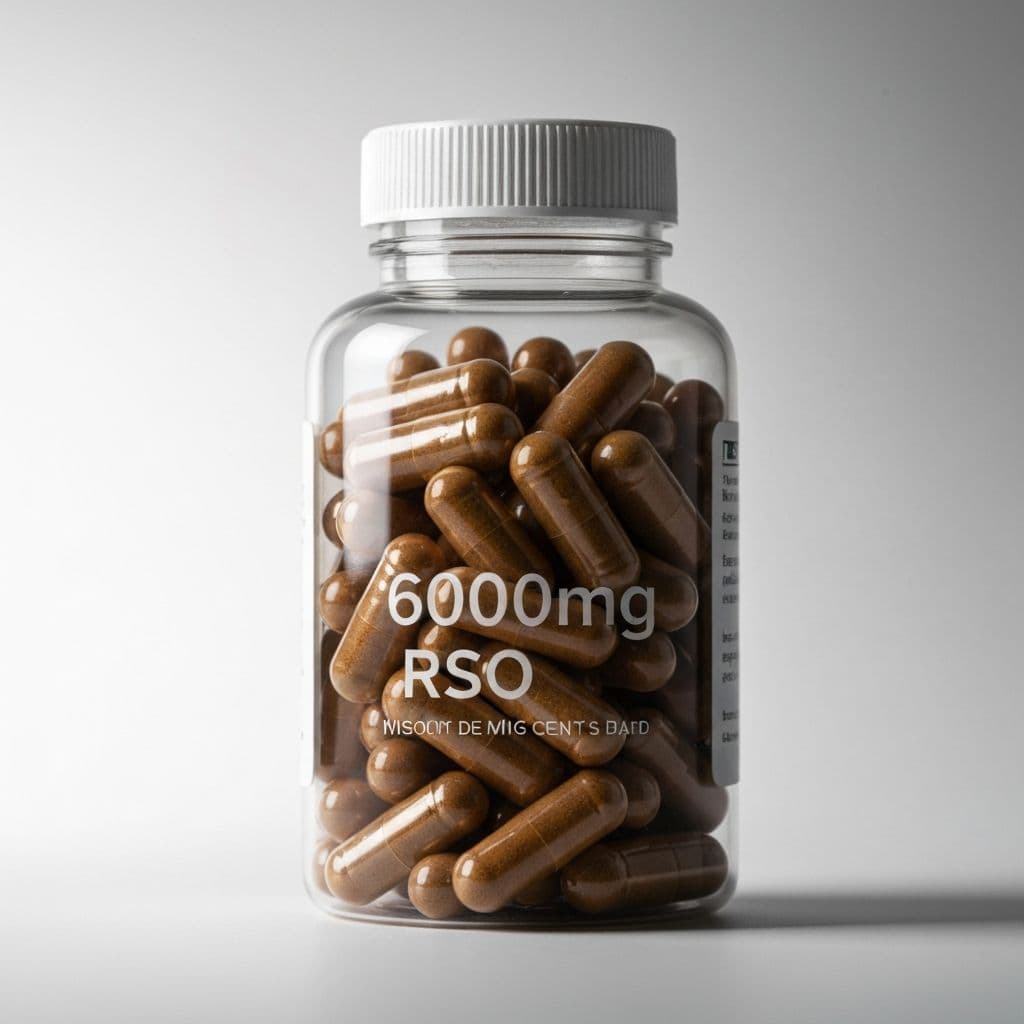
- Method: Sublingual or capsule
- Increase pace: Every 3-4 days by 1-2mg
- Goal: Find effective dose with minimal side effects
Monitoring:
- Track anxiety levels daily (1-10 scale)
- Note sleep quality changes
- Observe any side effects
- Adjust based on response
Phase 3: Maintenance (Week 7+)
Establish consistent dosing for ongoing anxiety support:
Typical maintenance:
- Dose: 5-20mg THC daily
- Frequency: Once daily (evening) or split dosing
- Method: Consistent method for reliable effects
- Schedule: Same time daily for best results
Advanced strategies:
- Morning micro-dose (3-5mg) for daytime support
- Evening larger dose (10-15mg) for relaxation
- Weekend breaks to manage tolerance
- Monthly dose assessment to adjust
RSO Administration Methods for Anxiety
Sublingual (Under Tongue)
Best for: Quick relief, acute anxiety episodes
Advantages:
- Onset: 15-45 minutes
- Duration: 4-6 hours
- Easy to measure
- No equipment needed
Instructions:
- Place dose under tongue
- Hold for 90 seconds
- Swallow remaining oil
- Avoid eating/drinking for 15 minutes
Oral/Capsules
Best for: Consistent daily anxiety management
Advantages:
- Onset: 1-2 hours
- Duration: 6-8 hours
- Discrete and convenient
- Easy to track doses
Instructions:
- Swallow capsule or measure dose
- Take with fatty food (increases absorption)
- Wait 1-2 hours for full effects
- Plan timing around daily schedule
Topical + Sublingual Combo
Best for: Comprehensive anxiety support
- Evening bath with topical RSO for muscle relaxation
- Sublingual dose before bed for sleep support
- Morning small sublingual for baseline support
Timing Strategies for Different Anxiety Types
Generalized Anxiety (All-day worry)
- Morning micro-dose: 3-5mg THC for baseline support
- Evening standard dose: 10-15mg THC for relaxation
- Consider daily consistent scheduling
Social Anxiety (Event-based)
- Take dose 45-60 minutes before social event
- Sublingual method for faster onset
- 5-10mg THC typically sufficient
- Practice in comfortable settings first
Stress-Related Anxiety (Work/life stress)
- Consistent daily evening dose for baseline
- Extra dose if high-stress day anticipated
- Morning micro-dose as additional support
- Consider combining with stress-management practices
Sleep-Related Anxiety (Racing thoughts at night)
- Take 15-20 minutes before bed
- Slightly larger evening dose (15-25mg THC)
- Combine with sleep hygiene practices
- May need CB N-rich strains for deeper sleep
RSO vs. Other Anxiety Management
RSO vs. Pharmaceutical Anti-Anxiety Medications
| Aspect | RSO | Benzodiazepines | |--------|-----|-----------------| | Onset | 15-120 minutes | 30-60 minutes | | Duration | 4-8 hours | 4-12 hours | | Dependency | Low-moderate | High | | Side effects | Drowsiness, dry mouth | Dependence, cognitive impairment | | Cost | Moderate | Low-moderate | | Natural | Yes | No | | Tolerance buildup | Possible | Likely |
RSO vs. CBD Oil
RSO advantages:
- Full-spectrum cannabinoids
- Stronger effects
- Better for moderate-severe anxiety
- More research on THC+CBD combo
CBD advantages:
- Non-psychoactive
- Legal in more jurisdictions
- Less impairment risk
- Better for daytime use
RSO vs. Lifestyle Changes
RSO works best combined with:
- Regular exercise (proven anxiety reduction)
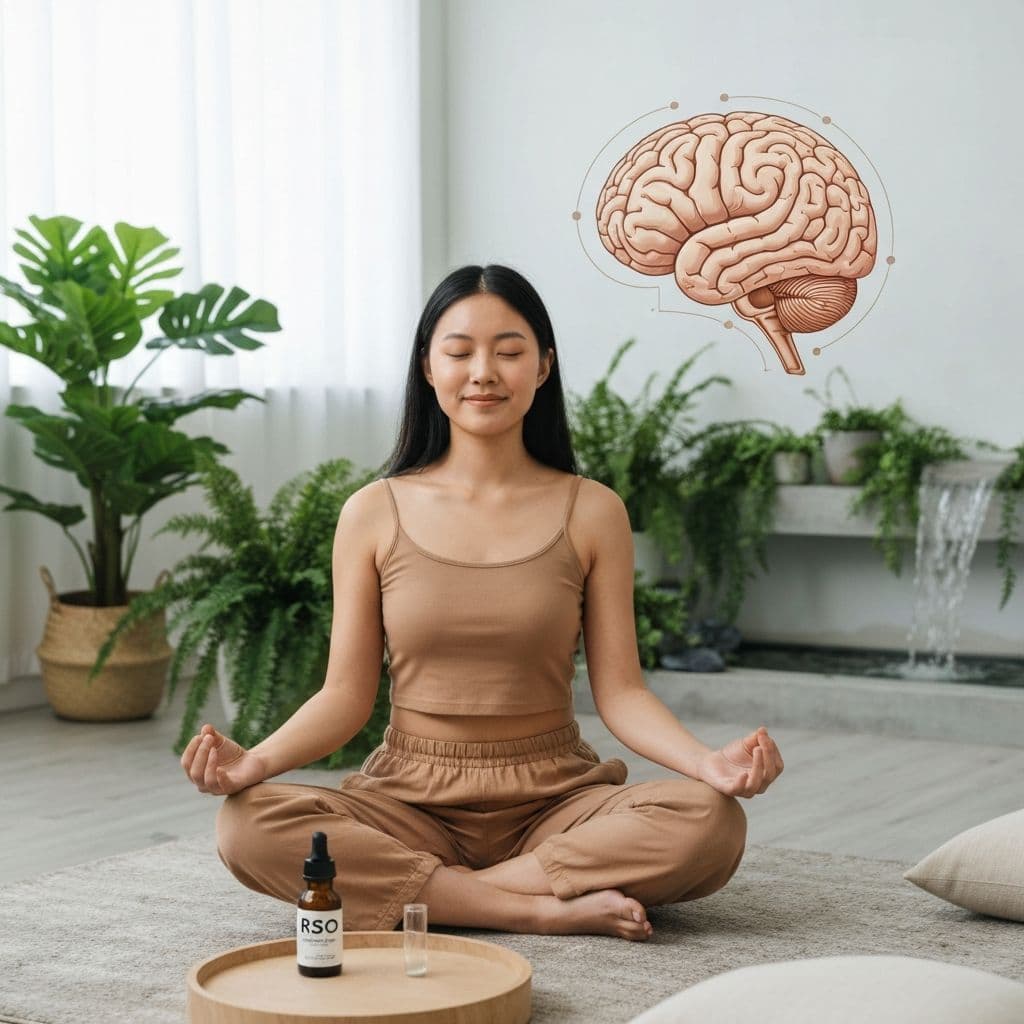
- Meditation and mindfulness
- Adequate sleep (7-9 hours)
- Stress-management techniques
- Professional counseling if needed
- Healthy diet and nutrition
Maximizing RSO for Anxiety
Supporting Habits
- Exercise regularly - Amplifies anxiolytic effects
- Maintain sleep schedule - Supports nervous system regulation
- Practice deep breathing - Enhances relaxation
- Limit caffeine - Reduces anxiety triggers
- Stay hydrated - Supports overall wellness
- Meditate or practice mindfulness - Works synergistically with RSO
- Connect with others - Social support enhances wellness
- Manage expectations - Results develop over weeks
Strain Selection
While RSO is full-spectrum, starting with naturally relaxing profiles helps:
- Strains with higher CBD content (1:1 or 2:1 ratios)
- Terpene profiles featuring myrcene and linalool (calming)
- Indica-dominant strains traditionally for evening use
- Avoid high-THC strains if anxiety-prone
Common Challenges and Solutions
Challenge: RSO increases anxiety at first
Solution:
- Start with lower dose (1-2mg)
- May need CBD-dominant RSO
- Increase very slowly
- Some anxiety-prone individuals respond better to CBD oil
- Consult healthcare provider about alternative approaches
Challenge: Not feeling consistent effects
Solution:
- Take with fatty food (increases absorption)
- Be consistent with timing
- May need slightly higher dose
- Track for 2-3 weeks before adjusting
- Consider individual metabolism differences
Challenge: Drowsiness during day
Solution:
- Take dose only in evening
- Use micro-doses in morning only if needed
- Consider CBD oil for daytime
- Might need lower total dose
- Adjust timing earlier in evening if possible
Challenge: Tolerance building
Solution:
- Take 1-2 day breaks weekly
- Maintain consistent dose without increasing
- Rotate with CBD oil for variety
- Ensure adequate sleep and exercise
- Periodic tolerance breaks (1 week per month)
RSO Safety and Anxiety Management
When to Consult Healthcare Provider
Before starting RSO for anxiety, discuss with provider if you:
- Take pharmaceutical anxiety medications
- Have bipolar disorder or psychosis (THC may be contraindicated)
- Have cannabis use disorder history
- Take medications that interact with cannabinoids
- Pregnant or breastfeeding
- Have driving or work safety concerns
Important Cautions
- RSO is psychoactive - avoid driving/machinery
- Not a replacement for professional mental health treatment
- Works best combined with other stress-management
- Results vary significantly between individuals
- May take 2-4 weeks for full effects
- Higher doses can paradoxically increase anxiety
Success Stories: Anxiety Relief with RSO
While individual results vary, many people report:
- Reduced racing thoughts: "Can finally sleep without mind spinning"
- Less social anxiety: "More comfortable in group settings"
- Better stress management: "Handle work stress without overwhelm"
- Improved sleep: "Sleeping through the night for first time in years"
- Overall calm: "Feel more peaceful throughout day"
- Reduced medication dependence: "Able to reduce anxiety medication with provider guidance"
Success typically involves:
- Proper dosing protocol (start low, go slow)
- Consistent use for 2-4 weeks
- Lifestyle support (exercise, sleep, stress management)
- Regular reassessment and adjustment
- Realistic expectations and patience
Conclusion
RSO offers a natural plant-based option for anxiety and stress management, with full-spectrum cannabinoids working synergistically to support nervous system wellness. The key to success lies in:
- Start low, go slow - Micro-dose and titrate gradually
- Be consistent - Daily timing and dosing
- Support with lifestyle - Exercise, sleep, stress management
- Track carefully - Document effects and adjust
- Consult professionals - Especially if taking medications
- Manage expectations - Results take 2-4 weeks
- Remain flexible - Adjust based on personal response
Whether you're exploring RSO as a pharmaceutical alternative or complementary support, these evidence-based protocols provide a framework for finding your effective dose and maximizing benefits for anxiety and stress relief.
This content is educational and not medical advice. RSO is not FDA-approved for anxiety treatment. Always consult with a qualified healthcare provider before using RSO, especially if you take anxiety medications. Cannabis affects everyone differently; individual results vary significantly.