Why Natural Cannabis Oil for Pain Relief?
Millions of Americans are turning to natural cannabis oil for pain relief as an alternative to traditional pharmaceuticals. Whether you're dealing with chronic back pain, arthritis, neuropathy, or inflammatory conditions, cannabis extracts like RSO and FECO offer a plant-based approach that many find effective.
In this comprehensive guide, we'll explore how to choose the best cannabis oil for your pain, proper dosing protocols, and what to look for in quality products.
Understanding Pain and the Endocannabinoid System
How Cannabis Addresses Pain
The human body has an endocannabinoid system (ECS) that regulates pain perception, inflammation, and immune response. Cannabis compounds interact with this system by:
- Binding to CB1 receptors in the nervous system to modulate pain signals
- Activating CB2 receptors to reduce inflammation
- Influencing serotonin receptors that affect pain perception
- Working synergistically through the entourage effect
Types of Pain Cannabis May Help
Cannabis oil users report benefits for various types of pain:
- Neuropathic pain (nerve damage, diabetic neuropathy)
- Inflammatory pain (arthritis, autoimmune conditions)
- Nociceptive pain (injury-related, muscle pain)
- Chronic pain syndromes (fibromyalgia, chronic back pain)
- Cancer-related pain and treatment side effects
Best Types of Cannabis Oil for Pain
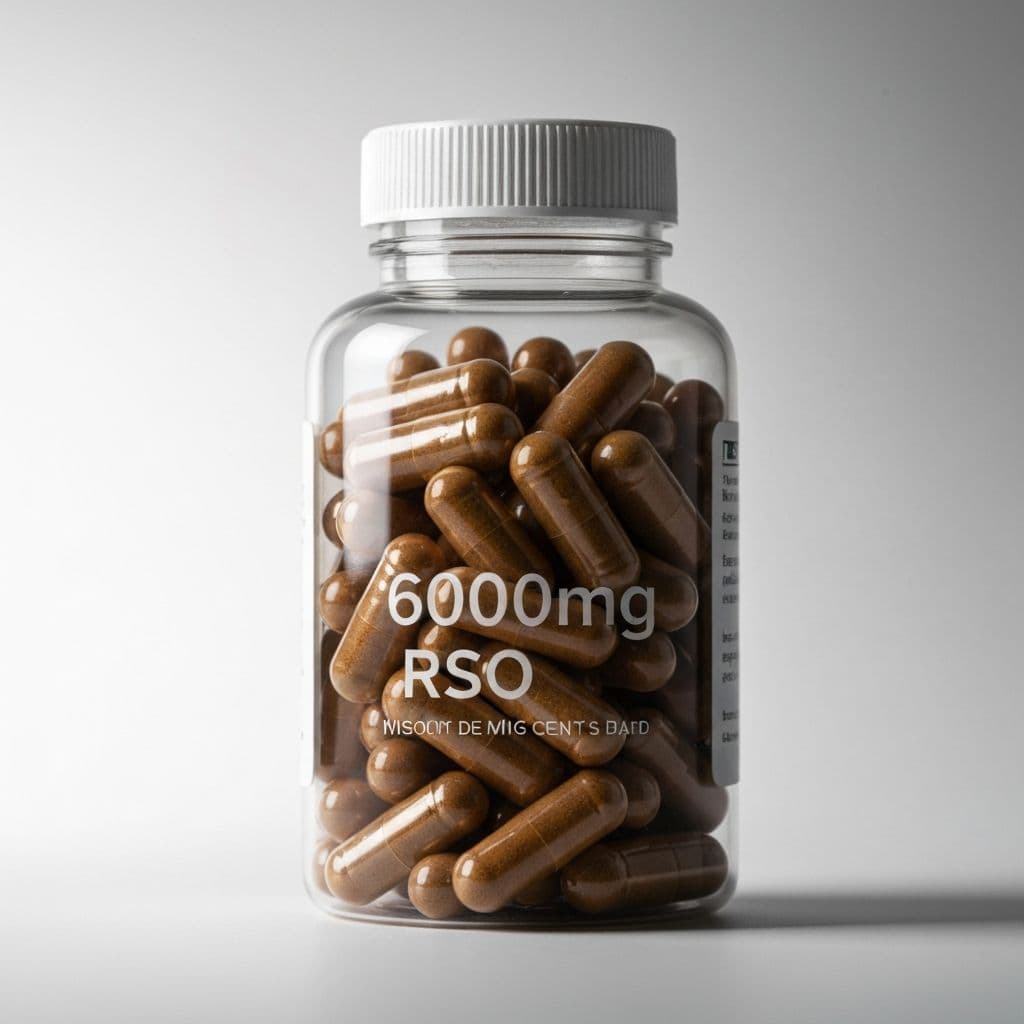
RSO (Rick Simpson Oil)
Best for: Severe or chronic pain requiring high-potency relief
RSO is one of the most potent full-spectrum cannabis extracts available:
- THC content: 60-90%
- Full cannabinoid profile: Contains THC, CBD, CBN, CBG, and more
- Entourage effect: Terpenes and cannabinoids work together
- Administration: Oral, sublingual, or topical
Pros for Pain Relief:
- Maximum potency for severe pain
- Full-spectrum benefits
- Long-lasting effects (6-8 hours)
- Versatile application methods
FECO (Full Extract Cannabis Oil)
Best for: Those seeking lab-tested, professionally produced extracts
FECO offers similar benefits to RSO with enhanced quality control:
- Consistent potency: Lab-verified cannabinoid content
- Clean extraction: Food-grade ethanol methods
- Third-party tested: Verified for purity and potency
- Professional production: Stricter quality standards
High-CBD Cannabis Oil
Best for: Those sensitive to THC or seeking non-intoxicating options
CBD-dominant oils provide pain relief without strong psychoactive effects:
- Lower THC: Usually under 0.3% or balanced ratios
- Anti-inflammatory: CBD's primary mechanism for pain
- Daytime use: Won't impair daily activities
- Legal access: More widely available
How to Choose the Best Cannabis Oil for Your Pain
Key Quality Indicators
When shopping for natural cannabis oil for pain, look for:
- Third-party lab testing (Certificate of Analysis)
- Full cannabinoid profile listed on packaging
- Terpene content information
- Extraction method disclosed
- Batch-specific testing results
- No pesticides or contaminants
Potency Considerations
Match potency to your pain level:
| Pain Level | Recommended Starting Oil | THC Range | |------------|-------------------------|-----------| | Mild | CBD-dominant or balanced | 5-15% THC | | Moderate | Mid-potency RSO/FECO | 40-60% THC | | Severe | High-potency RSO/FECO | 60-90% THC |
Full-Spectrum vs. Isolate
For pain relief, full-spectrum oils are generally preferred because:
- The entourage effect enhances pain-relieving properties
- Multiple cannabinoids address different pain pathways
- Terpenes like myrcene and beta-caryophyllene add analgesic effects
- Research suggests full-spectrum outperforms isolates for pain
Dosing Cannabis Oil for Pain Relief
The Golden Rule: Start Low, Go Slow
Begin with the smallest effective dose and increase gradually:
Week 1: Micro-Dosing
- Start with half a grain of rice (5-10mg cannabinoids)
- Take once daily, preferably evening
- Monitor effects carefully
Week 2-3: Titration
- Gradually increase dose every 2-3 days
- Add a second daily dose if needed
- Keep a symptom journal
Week 4+: Maintenance
- Find your minimum effective dose
- Establish consistent timing
- Adjust as needed for pain fluctuations
Dosing by Administration Method
Sublingual (Under Tongue)
- Onset: 15-30 minutes
- Duration: 4-6 hours
- Best for: Consistent, moderate relief
Oral (Swallowed)
- Onset: 1-2 hours
- Duration: 6-8 hours
- Best for: Long-lasting, all-day relief
Topical (Applied to Skin)
- Onset: 15-30 minutes
- Duration: 2-4 hours
- Best for: Localized pain (joints, muscles)
Best Practices for Using Cannabis Oil for Pain
Timing Your Doses
For chronic pain management:
- Morning dose: Lower amount to maintain function
- Afternoon dose: As needed for breakthrough pain
- Evening dose: Higher dose for sleep and overnight relief
Enhancing Absorption
Maximize the effectiveness of your cannabis oil:
- Take with fatty foods (cannabis is fat-soluble)
- Hold sublingual doses 60-90 seconds before swallowing
- Be consistent with timing and method
- Stay hydrated throughout the day
Combining with Other Wellness Practices
Cannabis oil works best as part of a comprehensive pain management approach:
- Physical therapy and gentle exercise
- Anti-inflammatory diet
- Stress reduction techniques
- Quality sleep hygiene
- Heat/cold therapy
What to Expect: Setting Realistic Expectations
Timeline for Pain Relief
- Immediate relief: Some users notice effects within days
- Optimal results: Usually 2-4 weeks of consistent use
- Dosage finding: May take 4-6 weeks to dial in
Managing Side Effects
Common side effects and solutions:
| Side Effect | Solution | |-------------|----------| | Dry mouth | Stay hydrated, use lozenges | | Drowsiness | Reduce dose or adjust timing | | Dizziness | Sit or lie down, lower dose | | Anxiety | Add CBD, reduce THC dose |
Frequently Asked Questions
Is cannabis oil legal for pain relief?
Cannabis laws vary by state. Many states have medical cannabis programs that allow legal access for pain conditions. Check your local laws before purchasing.
How long does cannabis oil take to work for pain?
Onset depends on administration method. Sublingual takes 15-30 minutes; oral takes 1-2 hours. Effects last 4-8 hours.
Can I use cannabis oil with other pain medications?
Always consult with a healthcare provider before combining cannabis with other medications. Cannabis may interact with certain pharmaceuticals.
What's the difference between CBD oil and RSO for pain?
CBD oil is typically non-intoxicating with lower THC. RSO is full-spectrum with high THC (60-90%). For severe pain, RSO often provides stronger relief.
Choosing Quality Cannabis Oil for Pain
Red Flags to Avoid
- No lab testing or Certificate of Analysis
- Unrealistic health claims
- Unknown extraction methods
- No ingredient transparency
- Unusually low prices
Where to Buy
Purchase from reputable sources that provide:
- Batch-specific lab results
- Clear potency labeling
- Customer support and education
- Money-back guarantees
- Transparent sourcing
Conclusion
Finding the best natural cannabis oil for pain relief requires understanding your pain type, starting with appropriate dosing, and choosing quality products. Whether you select RSO, FECO, or CBD-dominant oils, the key is starting low, going slow, and staying consistent.
Remember that cannabis oil is most effective as part of a comprehensive pain management strategy. Work with healthcare providers who understand cannabis, track your progress, and adjust your approach based on your body's response.
Ready to explore natural pain relief? Browse our lab-tested RSO products and premium FECO oils to begin your wellness journey.